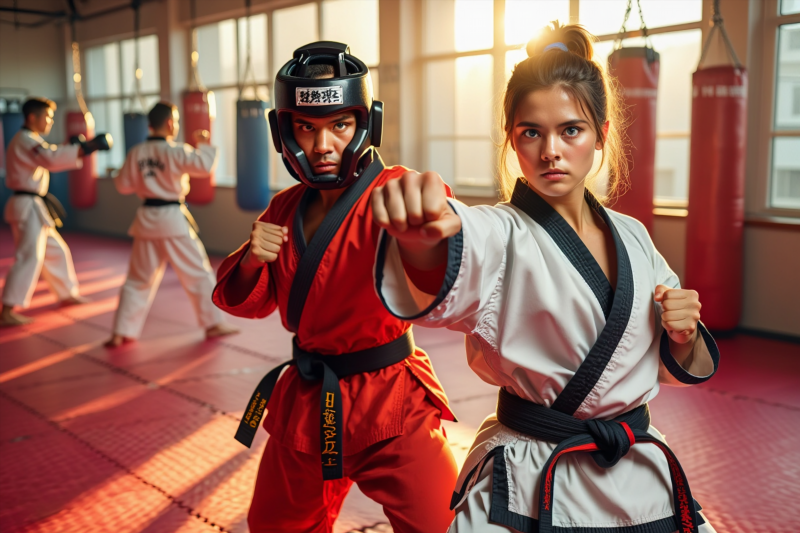
Can You Successfully Combine Martial Arts Styles Effectively?
Unlocking the Power of Cross-Training in Karate, Taekwondo, and Kyokushin
In the dynamic world of martial arts, practitioners continually seek ways to elevate their skills, deepen their understanding, and diversify their training regimes. Cross-training—combining different martial arts styles such as Karate, Taekwondo, and Kyokushin—has gained significant popularity among both beginners and seasoned martial artists. But can these diverse styles be integrated effectively? The answer is a resounding yes—when approached thoughtfully. This article explores proven strategies, benefits, and considerations for successful cross-training to enhance your martial arts journey.
Why Cross-Training in Martial Arts?
1. Broadens Skill Sets Each martial art emphasizes different techniques, philosophies, and training methods. Combining Karate’s precise strikes, Taekwondo’s dynamic kicks, and Kyokushin’s full-contact combat develops a well-rounded skill set that excels in multiple facets of fighting.
2. Enhances Physical and Mental Conditioning Cross-training enhances strength, flexibility, balance, and endurance. It also cultivates resilience, adaptability, and mental toughness, vital traits for both competition and self-defense.
3. Prevents Plateaus and Keeps Motivation High Switching between styles keeps your training fresh and challenging, preventing burnout and stagnation.
Can You Effectively Integrate Karate, Taekwondo, and Kyokushin?
The short answer is yes, but success depends on your approach. These styles share common roots but differ in emphasis and methodology:
| Style | Focus Area | Key Characteristics |
| Karate | Striking accuracy, power, traditional kata | Linear techniques, controlled form |
| Taekwondo | High, fast kicks, agility | Dynamic footwork, emphasis on speed |
| Kyokushin | Full-contact, conditioning, resilience | Hardcore sparring, principles of endurance |
Challenges to consider include:
- Technique conflicts: Differences in stance and striking mechanics.
- Training intensity: Balancing the physical demands of each style.
- Philosophical differences: Variance in training focus and etiquette.
By understanding these differences and aligning your training goals, you can create a cohesive cross-training program.
Proven Strategies for Effective Cross-Training
1. Define Clear Goals Identify what you want to achieve—whether it’s improving striking power, increasing flexibility, or mastering self-defense techniques. Clear goals inform how you blend styles.
2. Focus on Complementarity Select styles that complement each other. For example:
- Use Karate to develop disciplined strikes and form.
- Incorporate Taekwondo for dynamic, high-speed kicks.
- Apply Kyokushin’s full-contact principles for practical resilience and combat readiness.
3. Create a Structured Training Plan Design weekly schedules that balance techniques from each style:
- Dedicate specific days or sessions to each art.
- Incorporate cross-style drills: Use Karate punches with Taekwondo kicks.
- Practice sparring with varying styles to adapt to different opponents and techniques.
4. Maintain Proper Technique and Etiquette Respect the nuances of each style. Proper technique ensures efficiency and safety, while etiquette fosters discipline and respect.
5. Seek Expert Guidance Work with instructors experienced in multiple martial arts to avoid developing bad habits and ensure a cohesive learning path.
Practical Tips for Cross-Training Success
- Integrate Sparring and Drills: Use sparring to test cross-style techniques in realistic scenarios.
- Utilize Functional Conditioning: Incorporate strength and conditioning routines specific to each style’s needs.
- Study Philosophy and Strategies: Understanding the mindset behind each martial art enriches your practice and adaptation.
- Remain Patient and Consistent: Cross-training is a journey—progress may take time as you adapt techniques across styles.
Addressing Common Questions
Q: Can I learn all three styles simultaneously? A: It’s possible but challenging. Prioritize quality over quantity. Start with one style, master foundational techniques, then gradually incorporate others.
Q: Will cross-training dilute my expertise? A: Not if trained intentionally. Cross-training designed with clear goals enhances your overall mastery by broadening your capabilities.
Q: Is cross-training suitable for self-defense? A: Yes. Combining techniques from different arts covers multiple scenarios, making you a versatile and unpredictable defender.
Successfully blending Karate, Taekwondo, and Kyokushin is a powerful way to elevate your martial arts practice. By understanding the unique attributes of each style, setting clear objectives, and employing strategic training, you can create a comprehensive skill set that serves both competitive ambitions and personal development. Remember, the key is deliberate integration—respect the traditions, adapt techniques thoughtfully, and remain committed to ongoing growth.
Ready to unlock your full martial arts potential? Embrace cross-training strategically, and forge your path to becoming a versatile, confident warrior both inside and beyond the dojo.
Discover expert insights and practical tools for martial arts mastery at DojoRift—your modern platform for disciplined training, philosophy, and evolving skills.