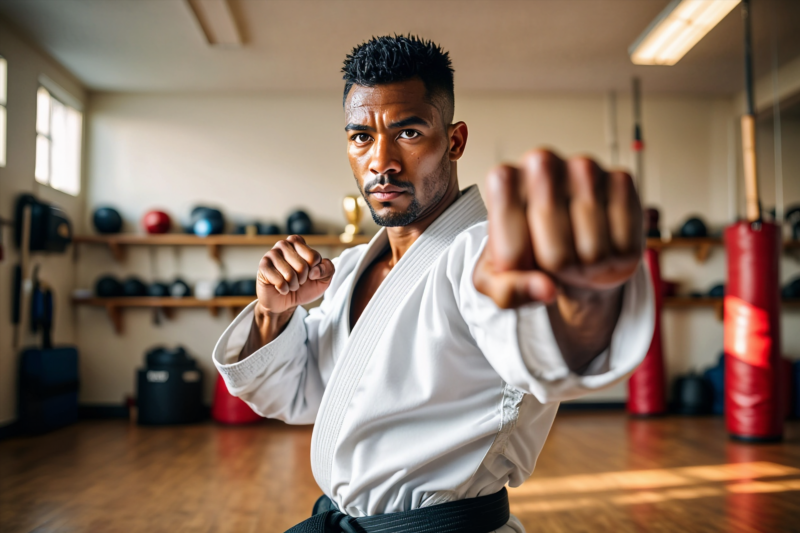
Preparing for a karate or taekwondo tournament is more than just physical training — it’s a comprehensive process that integrates mental, technical, and strategic preparation. At DojoRift, our goal is to guide martial artists through proven strategies to ensure they peak at the right moment, maximize their potential, and boost confidence for competition day. Whether you’re a seasoned competitor or a dedicated beginner, understanding how to optimize your tournament preparation is essential for achieving success.
The Importance of Strategic Competition Preparation
Preparing effectively for tournaments helps you:
- Achieve peak physical conditioning precisely when needed
- Refine your technical skills to execute techniques with precision
- Build mental resilience to handle pressure
- Develop strategic fight tactics tailored to your style and opponents
- Enhance overall confidence, leading to better performance
Without a clear strategy, even the most skilled martial artists may fall short of their potential. Let’s explore the key components to prioritize in your competition prep.
Core Components of Successful Tournament Preparation
1. Structured Training Cycle
A well-planned training cycle extends over several weeks or months, focusing on gradual progress and peak timing.
- Macro Cycle: Overall preparation phase (months)
- Mesocycle: Mid-terms focusing on specific skills or attributes
- Micro Cycle: Weekly or daily plans honing in on fine-tuning techniques and strategies
Tip: Include deload weeks to prevent burnout and optimize recovery.
2. Technical Refinement and Skill Polishing
- Simulate tournament conditions with full-contact sparring
- Sharpen striking mechanics—power, speed, accuracy
- Practice traditional kata to solidify form and muscle memory
- Work on defensive tactics—blocks, footwork, counters
3. Physical Conditioning
Build a balanced strength and conditioning program tailored to martial arts demands:
| Focus Area | Key Exercises |
| Cardiovascular Endurance | Interval running, jump rope, pad work |
| Strength | Bodyweight exercises, resistance training, core drills |
| Flexibility | Dynamic stretching, yoga, static stretching |
| Explosive Power | Plyometrics, kettlebell swings, medicine ball throws |
Tip: Integrate strength and conditioning into your regular training, making it specific to the explosive demands of your martial art.
4. Mental Preparation and Visualization
A powerful mental game provides a competitive edge:
- Engage in visualization exercises imagining successful performance
- Develop pre-fight routines to reduce anxiety and increase focus
- Practice breathing techniques to maintain calm and control
5. Strategy Development and Fight Planning
- Analyze potential opponents—study their techniques and tendencies
- Design your fight strategy—know your strongest techniques and situations to exploit
- Practice scenario drills—responding to different fight scenarios
Tapering and Peaking: The Final Weeks
The concept of tapering involves reducing training volume while maintaining intensity, allowing your body and mind to recover and perform at their best.
How to Implement Tapering:
- Decrease training frequency gradually starting 10-14 days before the tournament
- Focus on light technical drills and mental preparation
- Prioritize sleep and nutrition to optimize recovery
- Avoid new or experimental techniques close to the event
Monitoring Readiness:
- Use self-assessment: energy levels, motivation, confidence
- Seek feedback from coaching staff
- Schedule mock matches to simulate tournament conditions
Building Confidence for Competition Day
Confidence stems from preparation, but also from mental conditioning:
- Reinforce your positive self-talk before fights
- Revisit successful techniques in training
- Set realistic, process-oriented goals rather than just outcome-focused ones
- Visualize success to mentally rehearse the fight
Frequently Asked Questions
How early should I start preparing for a tournament?
Begin your preparation at least 8-12 weeks prior, depending on your experience level and the tournament’s significance. Early planning ensures sufficient time for technical refinement, conditioning, and mental training.
How do I avoid burnout before my competition?
Incorporate deload weeks, vary your training routines, and prioritize recovery. Listening to your body and maintaining a balanced lifestyle are crucial to staying fresh and motivated.
What if I feel nervous on the day of the tournament?
Use breathing exercises to manage anxiety, focus on your pre-planned routines, and remind yourself of your preparation efforts. Confidence in your training reduces pre-fight jitters.
Effective competition preparation goes beyond physical training; it’s a strategic, disciplined process that combines technical mastery, physical conditioning, mental resilience, and tactical planning. By following these proven strategies, martial artists can maximize their performance, approach each bout with confidence, and ultimately achieve victory.
Remember: At DojoRift, we believe that mastery is a journey. Prepare smart, stay disciplined, and let your dedication lead you to victory on the competitive stage.
Ready to elevate your tournament prep? Explore our comprehensive guides on striking mechanics, sparring strategy, and martial arts mindset to refine every aspect of your performance. Join the DojoRift community today and transform your competitive potential into real results!