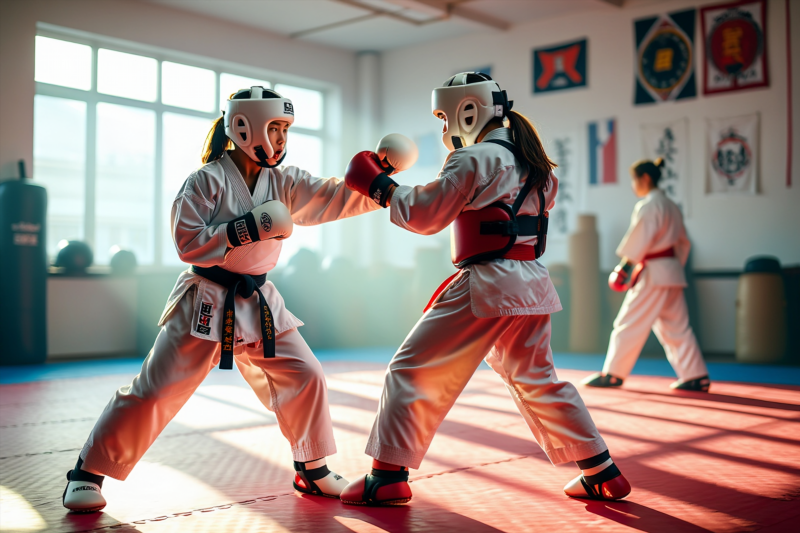
Welcome to DojoRift’s comprehensive guide on *FullContact Kyokushin sparring safety rules and preparation tips*. Whether you’re a seasoned martial artist or a beginner stepping into the dojo for the first time, understanding the core safety protocols and effective preparation strategies is crucial. This ensures not only your safety but also the integrity of the competition, enabling you to sharpen your skills confidently while respecting martial arts traditions. Dive into this complete guide to learn how to stay secure and perform at your best in FullContact Kyokushin sparring sessions.
Why Safety Rules Matter in FullContact Kyokushin
Kyokushin karate is renowned for its full-contact nature, emphasizing powerful strikes and rigorous training. However, the intense nature of this martial art makes safety precautions vital. Proper safety rules:
- Minimize injury risks
- Maintain competitive fairness
- Respect the martial art’s traditions
- Foster a healthy training environment
Without strict adherence, both practitioners risk serious injury, which can hinder progress and discourage continued practice.
Core Safety Protocols for FullContact Kyokushin Sparring
1. Use of Protective Gear
Always wear appropriate protective equipment, including:
- Mouthguards: Protects teeth and jaw from impact.
- Groin guards: Essential for male practitioners.
- Hand and foot padding: For knuckle and foot protection.
- Body shields or chest protectors: Optional but recommended for beginners.
- Headgear: While not always standard, it offers extra safety during high-impact rounds.
*Tip:* Invest in high-quality, regulation gear to ensure maximum protection without compromising mobility.
2. Controlled Technique and Respectful Sparring
- Maintain control over your strikes, focusing on technique rather than pure power.
- Avoid reckless attacks—strikes should be purposeful, within agreed boundaries.
- Respect your opponent’s safety, listening to their taps, signals, or calls to stop.
3. Clear Rules and Match Regulations
Set and agree upon the rules before sparring, such as:
- Allowed target areas
- No strikes to the neck, groin, or back of the head
- Guidelines for permissible contact levels
Having established rules prevents misunderstandings and unnecessary injuries.
4. Supervisor or Referee Oversight
Ensure competitions and sparring sessions are overseen by an experienced referee who can:
- Enforce safety rules
- Stop matches if injuries occur
- Ensure fair play
Preparation Tips for Safe and Effective Kyokushin Sparring
1. Physical Conditioning
Strength, endurance, and flexibility significantly reduce injury risk. Engage in:
- Strength training routines focusing on core muscles
- Cardiovascular conditioning
- Dynamic stretching and mobility exercises
2. Technique Drills
Focus on:
- Proper stance and movement
- Effective blocking and evasion
- Controlled striking techniques
Building solid fundamentals minimizes accidental injuries during sparring.
3. Gradual Intensity Progression
Start sparring with light contact, gradually increasing intensity as skills develop. This helps both mind and body adapt safely to the demands of full-contact competition.
4. Mental Preparedness
- Cultivate focus and calmness
- Practice breathing techniques to stay centered
- Develop the warrior mindset to handle high-pressure situations responsibly
5. Nutrition and Rest
- Adequate hydration and balanced diet
- Proper rest for muscle recovery
- Avoid sparring if fatigued or under the influence of substances
Additional Tips: Ensuring a Safe Sparring Environment
| Tip | Explanation |
| Maintain a clean training space | Prevent accidents caused by debris or obstacles |
| Set clear communication signals | Use taps, verbal commands, or gestures to indicate stop or pause |
| Warm-up thoroughly | Reduce muscle strain and increase flexibility |
| Post-sparring evaluation | Discuss safety concerns and areas for improvement |
Frequently Asked Questions (FAQs)
Q1: Is full-contact sparring safe for beginners?
Yes, but it’s essential beginners start with controlled contact and proper supervision. Focus on technique and gradually build intensity.
Q2: What should I do if I get injured during sparring?
Immediately cease sparring, seek medical attention if needed, and discuss the injury with your coach for proper recovery guidance before returning to training.
Q3: How important is protective gear in Kyokushin sparring?
Protection is critical. While Kyokushin is known for its full-contact combat, gear minimizes injury risks and allows practitioners to train and compete safely.
Q4: How can I prepare mentally for full-contact sparring?
Practice mindfulness, visualization techniques, and controlled breathing to stay calm and focused during intense exchanges.
Mastering *FullContact Kyokushin sparring* involves more than mastering techniques—it demands rigorous safety discipline and thorough preparation. By adhering to the safety rules and focusing on strategic, controlled practice, you foster a respectful, injury-free environment that promotes growth and mastery. Whether you’re stepping onto the dojo floor for the first time or refining your seasoned skills, these guidelines will help you compete confidently, improve more swiftly, and embody the true warrior spirit of Kyokushin.
Explore more training insights and sparring strategies on DojoRift today—your journey toward martial arts excellence continues here.