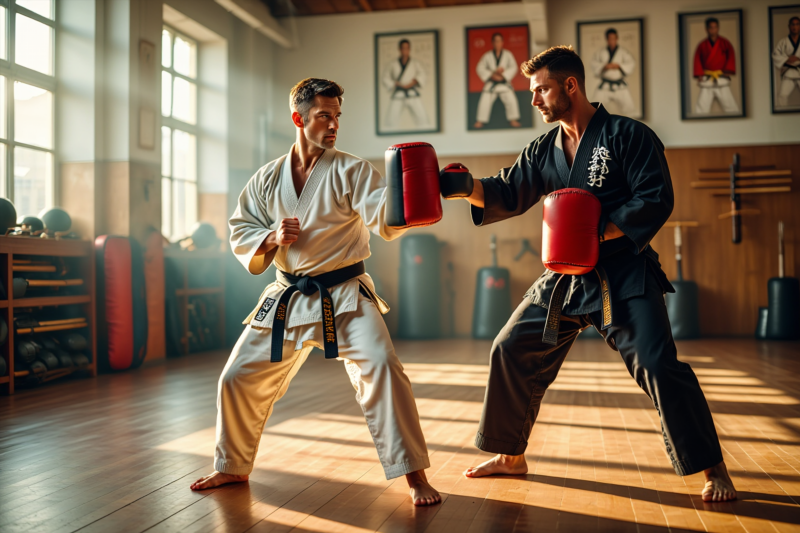
How to Blend Traditional Martial Arts with Modern Pad Work
In the evolving landscape of martial arts, practitioners constantly seek innovative ways to enhance their skills. Combining traditional forms—like Karate, Taekwondo, and Kyokushin—with modern pad work offers a powerful avenue to develop versatility, precision, and dynamic endurance. This fusion not only preserves the rich heritage of these martial arts but also pushes practitioners towards higher levels of performance, whether they’re beginners, competitors, or dedicated lifelong martial artists. Today, we’ll explore effective techniques and expert tips to seamlessly blend these two worlds to accelerate mastery.
Understanding the Value of Traditional and Modern Training
Before diving into how to combine these methods, it’s essential to grasp the unique strengths of each:
- Traditional Forms (Kata, Poomsae, etc.):
- Cultivate proper technique and form.
- Instill discipline, focus, and the philosophical principles of karate and other arts.
- Provide a structured way to memorize sequences and develop muscle memory.
- Modern Pad Work:
- Develop speed, power, and timing in realistic scenarios.
- Improve targeting accuracy and reaction time.
- Build cardio endurance and mental resilience under pressure.
*Blending these approaches maximizes the benefits of both, creating a well-rounded martial artist capable of fluid adaptation.*
Step-by-Step Guide to Effectively Integrate Traditional Forms with Pad Work
1. Develop a Clear Training Structure
- Start with Traditional Forms:
- Focus on precise execution of kata to reinforce fundamentals.
- Use slow, deliberate movements to internalize techniques.
- Transition to Pad Work:
- After mastering form details, practice the same techniques on pads.
- Emphasize realistic application, speed, and power.
Expert Tip: Allocate specific sessions—e.g., dedicate half your training to kata drills and the other half to pad work—such that both aspects complement each other naturally.
2. Focus on Technique Transfer
- Use traditional forms to build a solid technical foundation.
- Then, simulate real combat scenarios by translating these techniques to pad drills.
Example: A punch combination from kata can be practiced on focus pads to refine targeting, timing, and generate power consistent with traditional movement principles.
3. Incorporate Dynamic Rhythms and Variations
- Traditional forms follow a set rhythm, emphasizing precision.
- Pad work allows for dynamic, real-time adjustments—varying pace, angles, and intensity.
- Blend these by starting with formal, slow repetitions and gradually increasing speed and complexity.
4. Emphasize Mindset and Strategy
- Use the discipline of kata to instill focus and patience.
- Apply the aggressive, adaptive mindset formed during pad drills to develop strategy and timing.
Pro Tip: Record pad sessions to analyze your execution, then revisit the form with a strategic mindset to identify areas for improvement.
Expert Tips for Successful Blending
| Tip # | Expert Advice | Benefit |
| 1 | Progress Gradually: Combine incremental changes in your regimen | Prevents burnout and ensures steady skill development |
| 2 | Use Visual and Kinesthetic Cues: Visualize movement from kata during pad work | Enhances muscle memory and flow |
| 3 | Align Drills with Combat Scenarios: Simulate self-defense situations or sparring setups | Increases practical applicability of techniques |
| 4 | Incorporate Feedback: Seek coaching to refine form and application | Accelerates learning and corrects faults |
| 5 | Maintain Consistency: Regularly alternate between traditional and modern drills | Builds integrated skill sets over time |
Addressing Common Questions
How do I ensure my traditional forms translate into effective pad work?
- Focus on correct technique and form during kata.
- Break down kata steps into targeted pad drills.
- Maintain visualization of the form during pad work to preserve its mechanics.
- Regularly seek feedback from instructors to bridge gaps.
Can blending affect my traditional training discipline?
- When integrated properly, blending actually enhances discipline by adding variety and engagement, preventing stagnation.
- Structure your sessions with clear objectives to uphold the focus and respect for traditional forms.
Is this approach suitable for all skill levels?
- Absolutely. Beginners benefit from building foundational techniques, while advanced practitioners can hone application and adaptation skills.
- Tailor the intensity and complexity according to your experience level.
Final Thoughts: Unlocking the Full Potential of Your Martial Arts Practice
Blending traditional martial arts with modern pad work is more than just a training method; it’s a philosophy that encourages innovation while respecting tradition. By thoughtfully integrating sequences, techniques, and strategic practice, martial artists can achieve heightened skill, versatility, and introspection—both inside and outside the dojo. Whether your goal is mastery, competition readiness, or personal development, adopting this approach cultivates an unshakeable warrior mindset rooted in discipline, adaptability, and continuous growth.
Start today: Incorporate traditional forms into your pad drills and watch your martial arts evolve into a dynamic, powerful force. Your journey toward mastery begins with this strategic fusion.