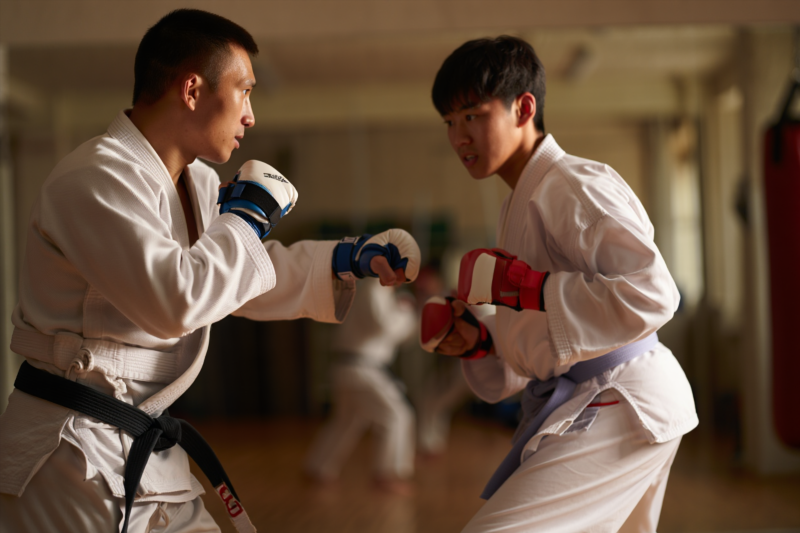
Understanding how to accurately read an opponent’s distance and timing is a critical skill that separates skilled martial artists from beginners. Whether you are practicing Karate, Taekwondo, Kyokushin, or full-contact fighting, mastering these aspects can dramatically improve your sparring, striking accuracy, and overall tactical approach. In this comprehensive guide, we will explore proven techniques for analyzing reach and rhythm, enhancing your timing, and gaining a strategic edge inside the ring or dojo.
Why Reading Distance and Timing Matters in Stand-Up Sparring
Before diving into specific methods, it’s essential to understand *why* reading your opponent’s movements is vital:
- Anticipate Attacks: Recognize the opponent’s reach and rhythm to predict strikes before they land.
- Create Counter Opportunities: Timing your counters when they are most vulnerable increases effectiveness.
- Control Pace: Manipulate the flow of sparring by adjusting your distance and timing to your advantage.
- Reduce Hit Susceptibility: Better distance management minimizes your exposure to strikes.
Key Concepts in Reading Distance and Timing
1. Understanding Reach and Range
Reach is the physical distance between you and your opponent, affecting how quickly strikes will arrive and how you respond.
- Long-range: When your opponent maintains distance, favoring kicks and jabs.
- Mid-range: Engagement area where punches and short kicks are principal.
- Close-range: Inside fighting, requiring clinching, elbows, and body shots.
2. Recognizing Rhythm and Tempo
Rhythm refers to the timing and pace of your opponent’s attacks—generally a consistent pattern or tempo that can be exploited.
- Linear rhythm: Straightforward attack sequences.
- Variable rhythm: Unpredictable patterns requiring careful observation.
- Pause and reset moments: Opportunities to strike or reposition.
Techniques to Analyze Reach and Rhythm
1. Tactical Observation and Posture Analysis
- Lens on Stance: Observe the stance width and guard position for clues on reach.
- Foot Positioning: Notice when feet are set for movement versus weight transfer, indicating attack initiation.
- Head and Body Movement: Small shifts can reveal timing for counterattacks.
2. Distance Control Drills
- Practice maintaining various ranges with a partner, learning how your opponent adjusts their reach.
- Use measuring tools, such as focus mitts or target markers, to visualize and internalize critical distances.
3. Rhythm Disruption and Timing Exercises
- Incorporate drills that involve fainting, baiting, and rhythm misdirection to see your opponent’s timing.
- Practice reacting to visual cues—like shifting weight or subtle movements—to improve anticipation.
4. Video Analysis and Pattern Recognition
- Record sparring sessions and review to spot patterns in your opponent’s timing.
- Look for telltale signs—such as a hesitant step or feint—that precede an attack.
Improving Your Timing to Counter Opponents
1. Develop a Sense of “Beat”
- Think of sparring as a dance—finding the cadence in your opponent’s attacks helps you strike at optimal moments.
- Use drills like *timed counters* or *reaction boxing* to hone this awareness.
2. Utilize Feints and Faints
- Send false signals to manipulate your opponent’s rhythm and force mistakes.
- Mastering this psychological component improves your timing for real strikes.
3. Pressure and Circling
- Apply controlled pressure to test the opponent’s reach and timing.
- Use lateral movement to keep your opponent guessing, disrupting their preferred rhythm.
Practical Tips for Everyday Sparring
- Stay relaxed: Tension hampers your ability to observe and react.
- Focus on the eyes and hips: These areas often give clues about an imminent attack.
- Use your peripheral vision: Spot subtle movements without losing focus on the main target.
- Maintain a dynamic distance: Constantly adjust to keep your opponent within your preferred range.
Frequently Asked Questions (FAQs)
How can I tell if my opponent is setting up a specific strike?
Look for small cues—such as a slight shoulder tilt, hand position adjustments, or weight shifting—that often precede particular attacks.
What drills can improve my timing in sparring?
Drills like *shadowboxing with pauses*, *reaction mitt work*, and *fainting techniques* are excellent for timing development.
How important is mental focus in reading opponents?
Extremely important. Staying present and alert, avoiding distraction, and reading subtle cues enhances your ability to react instinctively.
Reading your opponent’s reach and rhythm is not an innate talent but a skill cultivated through consistent training, strategic observation, and psychological awareness. By systematically analyzing their stance, movements, and patterns, you can anticipate strikes and counter effectively, gaining confidence and control inside the sparring ring or dojo.
Remember: The key to mastery lies in persistent practice, keen observation, and adaptability. Incorporate these techniques into your training to elevate your stand-up fighting skills and develop an unshakeable warrior mindset that extends beyond the dojo.
Start today: Record your practice, analyze your sessions, and challenge yourself to recognize subtle cues. Your journey to becoming a more perceptive and responsive martial artist begins here.