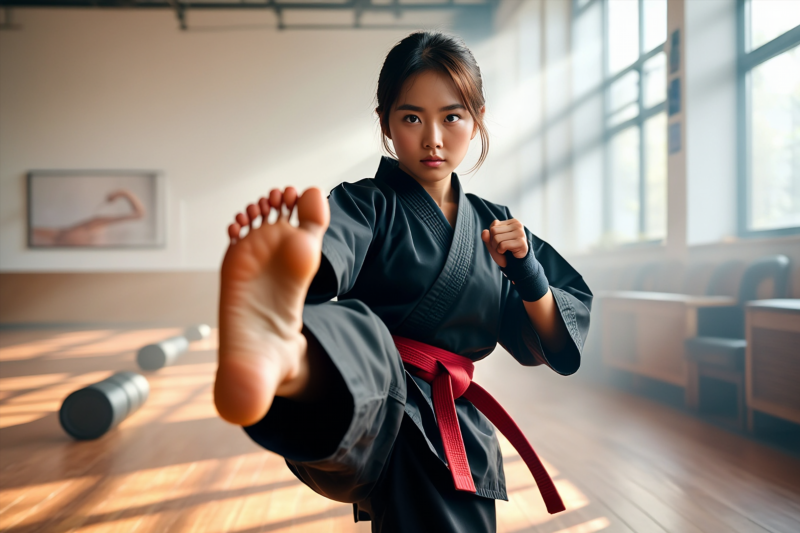
Injury Prevention Tips for Martial Arts Joint Safety *Discover essential strategies to protect your joints during martial arts training and stay injury-free, ensuring long-term performance and safety.*
Martial arts are a dynamic blend of power, precision, and agility. However, these demanding movements put your joints—knees, hips, ankles, and shoulders—under significant stress. Protecting these critical areas is essential for maintaining longevity in your training, preventing injuries, and enhancing performance. At DojoRift, we understand that injury prevention is the foundation of a successful martial arts journey, whether you’re a beginner or a seasoned practitioner.
Why Are Joint Injuries Common in Martial Arts?
Martial artists frequently engage in high-impact strikes, kicks, throws, and rapid directional changes. While these techniques build strength and skill, they can also lead to joint overuse or acute injuries if not performed with care. Common issues include:
- Knee strains from repetitive kicks or sudden twists.
- Hip impingements due to improper stances or overextension.
- Ankle sprains from missteps or improper footwork.
- Shoulder injuries from improper punching or grappling.
Understanding these risks underscores the importance of targeted injury prevention strategies.
Top Injury Prevention Tips for Martial Artists
1. Proper Warm-up and Cool-down Routines
- Why it matters: Warming up increases blood flow, enhances joint lubrication, and prepares muscles for intensive activity, reducing injury risk.
- Key practices: Dynamic stretches, joint rotations, and light cardio (jump rope, jogging) before training.
- Post-training: Static stretching and foam rolling to aid recovery and maintain joint flexibility.
2. Focused Strength and Mobility Training
- For joint stability: Incorporate exercises like planks, resistance band movements, and balance drills.
- Importance: Strong muscles support joints, absorbing impacts and reducing strain.
- Mobility drills: Hip openers, ankle mobility exercises, and shoulder rotations improve range of motion and joint resilience.
3. Correct Technique and Martial Arts Etiquette
- Proper form: Always prioritize correct posture and technique as per traditional martial arts teachings.
- Avoid shortcuts: Improper technique increases joint stress and injury likelihood.
- Seek expert guidance: Regularly consult with instructors to refine your form.
4. Wear Appropriate Protective Gear
- Joint supports: Use knee sleeves, ankle braces, or shoulder wraps during intense sessions.
- Footwear: Use proper martial arts shoes or barefoot for better grip and stability on mats.
- Quality gear: Invest in high-quality equipment to prevent undue joint strain.
5. Gradual Progression and Listening to Your Body
- Avoid overtraining: Increase intensity and volume gradually.
- Recognize pain signals: Sharp or persistent pain is a warning sign—rest and seek medical advice if necessary.
- Rest and recovery: Schedule regular rest days to allow joints to heal and adapt.
6. Maintain a Balanced Training Regimen
- Cross-training: Incorporate low-impact activities like swimming or cycling to reduce joint stress.
- Flexibility focus: Regular stretching enhances joint range of motion and prevents stiffness.
Special Considerations for High-Risk Joints
| Joint | Common Risks | Prevention Strategies |
| Knees | Overuse, twisting, hyperextension | Proper stance, avoid locking knees, strengthening quadriceps |
| Hips | Overextension, imbalance | Hip mobility drills, correct stance alignment |
| Ankles | Sprains, missteps | Balance exercises, proper footwear, ankle supports |
| Shoulders | Punching strain, throws | Shoulder stabilization exercises, correct punching technique |
Building a Warrior Mindset for Injury Prevention
Prevention isn’t just physical—it’s mental. Developing awareness and discipline helps you stick to safe practices. Embrace the philosophy of martial arts: respect your body as a vital tool for growth and mastery.
Final Thoughts: Stay Safe, Stay Strong
Injuries can sideline even the most dedicated martial artists. By implementing these injury prevention tips—focusing on joint safety, technique, and conditioning—you ensure a long, successful journey in martial arts. Remember, mastering martial arts is as much about protecting yourself as it is about skill mastery.
Call to Action: Elevate Your Martial Arts Practice Today
Are you ready to take your training to the next level while safeguarding your joints? Dive deeper into structured guidance, expert insights, and practical tools with DojoRift. Join our community now and build a resilient, injury-free martial arts lifestyle that lasts a lifetime.
Stay safe. Train smart. Master endurance with DojoRift.