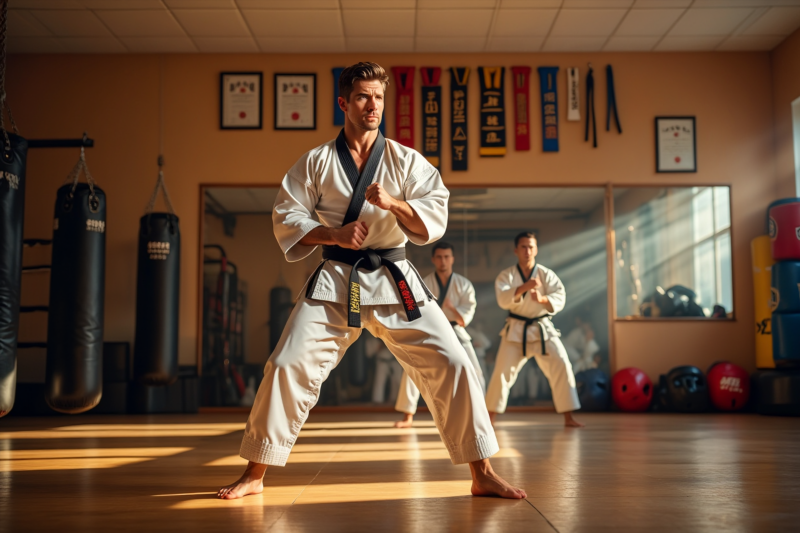
Starting your martial arts journey is an exciting step toward self-improvement, discipline, and physical fitness. But with numerous styles available—such as Karate, Taekwondo, and Kyokushin—how do you choose the right one to match your goals and interests? At DojoRift, we believe that understanding the unique features, philosophies, and training methodologies of each martial art is essential for making an informed decision. This comprehensive guide will help you evaluate your options, highlight key differences, and set you on the path toward confident martial arts training.
Why Choosing the Right Martial Art Matters
Selecting the appropriate martial art is crucial because it shapes your initial learning experience, influences your long-term motivation, and aligns with your personal or competitive goals. Whether you seek self-defense skills, physical fitness, mental discipline, or competitive success, understanding your options ensures sustained engagement and growth.
Comparing Karate, Taekwondo, and Kyokushin
To assist you, we’ve broken down the core aspects of each martial art. Familiarity with striking mechanics, philosophy, belt progression, sparring approaches, and etiquette will help you identify which style resonates most with your aspirations.
1. Karate: Traditional Discipline with Modern Variations
Overview: Karate emphasizes precise strikes, kata (forms), and controlled technique. It balances traditional values with opportunities for competition and self-expression.
Key Features:
- Striking Mechanics: Focused on powerful punches, knife-hand strikes, and linear kicks.
- Training Focus: Technique mastery, kata perfection, traditional dojo etiquette.
- Belt System: Clear progression from beginner to black belt, demonstrating skill development.
- Sparring: Light contact in many styles, emphasizing control and technique.
- Philosophy: Respect, discipline, perseverance, and the pursuit of personal excellence.
- Ideal For: Beginners seeking a balanced martial art that blends tradition and practicality.
2. Taekwondo: Dynamic Kicks and Athletic Excellence
Overview: Known for its high, fast, and powerful kicks, Taekwondo is a sport-oriented martial art focusing on agility, speed, and competitive sparring.
Key Features:
- Striking Mechanics: Emphasizes kicks—especially head and spinning kicks—and punching.
- Training Focus: Flexibility, speed, acrobatics, and agility.
- Belt System: Structured progression with emphasis on technique, sparring ability, and poomsae (forms).
- Sparring: Full-contact competition with protective gear; emphasizes point scoring.
- Philosophy: Confidence, perseverance, respect, and self-control.
- Ideal For: Individuals interested in athletic achievement, competition, and impressive kicking techniques.
3. Kyokushin: Tough, Full-Contact Combat
Overview: Kyokushin embodies the spirit of full-contact, realistic fighting, emphasizing toughness, endurance, and discipline.
Key Features:
- Striking Mechanics: Focus on powerful punches and kicks, with full-contact sparring.
- Training Focus: Strength conditioning, combat realism, mental resilience.
- Belt System: Gradual progression, often with physical testing and challenge.
- Sparring: Hard contact, including knockdowns; tests real-world fighting skills.
- Philosophy: Perseverance, humility, respect, and resilience.
- Ideal For: Those seeking rigorous training, realistic self-defense, and mental toughness.
Making Your Decision: Factors to Consider
Choosing your first martial art depends on your personal goals and preferences. Here are some key questions to ask yourself:
| Question | Consideration |
| What are my primary goals? | Self-defense, competition, fitness, mental discipline? |
| Do I prefer traditional or sport-oriented training? | Traditional kata and etiquette vs. dynamic sparring. |
| Am I attracted to striking, kicking, or conditioning? | Focus on hand techniques, kicks, or full-contact fighting. |
| Do I want a martial art with a hard or soft style? | Kyokushin (hard contact), Karate (moderate), Taekwondo (dynamic) |
| How important is cultural and philosophical background? | Traditional values vs. modern sport focus. |
Getting Started: Your First Steps
Once you’ve identified your preferred style, the next steps include:
- Research Local Dojos or Clubs: Look for certified instructors with good reviews.
- Trial Classes: Attend beginner sessions to experience the training environment firsthand.
- Set Personal Goals: Clarify what you want to achieve to stay motivated.
- Invest in Proper Gear: Comfortable clothing and protective equipment for sparring and drills.
- Commit Consistently: Regular practice is key to progress and confidence.
Why Choose DojoRift as Your Martial Arts Resource
At DojoRift, our modern platform offers structured guidance tailored to all levels—from beginners to advanced practitioners. We delve into fundamentals like striking mechanics, traditional kata, full-contact principles, and belt progression systems. Our expert insights help you build discipline, hone technique, and foster a resilient warrior mindset both inside and outside the dojo.
Final Thoughts: Start Your Martial Arts Journey Today
Choosing the right martial art is a foundational step toward lifelong growth. Whether you’re drawn to Karate’s balanced approach, Taekwondo’s athletic flair, or Kyokushin’s formidable toughness, understanding your options empowers you to pursue your goals with confidence. Begin your adventure now—explore, learn, and unlock your full potential.
Take action today: Contact your local dojo, sign up for a trial class, or visit DojoRift for comprehensive guides and expert support. Your path to mastery starts here!
Frequently Asked Questions
Q: Can I switch martial arts later if I want to try something different? A: Absolutely! Many martial artists train in multiple styles over their lifetime. Your foundational skills will transfer, enriching your understanding and technique.
Q: Is prior fitness required to start martial arts? A: Not necessarily. Most dojos tailor beginner classes to accommodate all fitness levels, gradually building strength and endurance.
Q: How long does it take to earn a black belt? A: It varies by style and individual dedication, but typically ranges from 2 to 5 years with consistent training.
Embrace Your Martial Arts Journey Today!
Ready to begin? Discover your ideal style, unlock your potential, and become part of a vibrant community committed to excellence. Visit DojoRift for more insights, training tips, and expert guidance. Your path to mastery starts now!