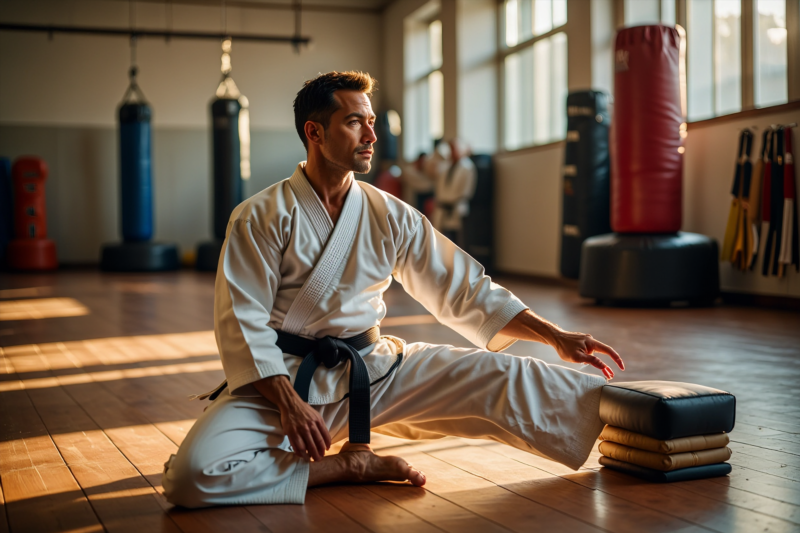
In martial arts, agility, speed, and precision are crucial. Achieving optimal flexibility not only enhances your performance but also helps prevent injuries, allowing you to train consistently and confidently. Whether you’re practicing Karate, Taekwondo, Kyokushin, or engaging in full-contact sparring, proper stretching routines before and after training are essential components of a well-rounded martial arts regimen. This guide provides expert tips and practical strategies to help you improve your flexibility, maximize your training results, and develop a resilient, warrior-ready body.
Why Is Stretching Important in Martial Arts?
The Benefits of Proper Stretching
- Injury Prevention: Reduces the risk of strains, pulls, or joint injuries during intense training or sparring sessions.
- Enhanced Range of Motion: Allows for more precise strikes, dynamic kicks, and fluid movements.
- Faster Recovery: Eases muscle soreness and accelerates healing post-training.
- Mental Focus: Promotes mindfulness and discipline, aligning with the philosophical aspects of Eastern warrior traditions.
- Performance Optimization: Enables sharper techniques and more powerful strikes through increased muscle elasticity.
Types of Stretching: When and How
Dynamic Stretching Before Training
Dynamic stretching involves active movements that take muscles through their full range of motion, ideal for warming up.
- Examples:
- Leg swings (front, side)
- Arm circles
- Hip rotations
- Walking lunges with torso twists
Static Stretching After Training
Static stretching involves holding a stretch for an extended period, promoting flexibility and muscle relaxation.
- Examples:
- Hamstring stretches
- Quadriceps stretches
- Shoulder and triceps stretches
- Butterfly stretch for inner thighs
Effective Stretching Routines for Martial Artists
Before Training: Dynamic Stretching Protocol
| Exercise | Duration / Repetitions | Purpose |
| Leg swings (front & side) | 10-15 swings per leg | Warm up hips, hamstrings, and groin |
| Arm circles | 10 reps forward & backward | Activate shoulders and arms |
| Hip rotations | 10 reps each side | Loosen hip joints |
| Walking lunges with twist | 10 steps each side | Mobilize legs, hips, and torso |
Tip: Perform this routine 5-10 minutes before training to increase blood flow and prepare muscles for explosive movements.
After Training: Static Stretching Protocol
| Exercise | Hold Time / Repetitions | Purpose |
| Hamstring stretch | 30 seconds per leg | Improve leg flexibility |
| Quadriceps stretch | 30 seconds per leg | Prevent knee injuries |
| Shoulder and triceps stretch | 30 seconds per arm | Enhance upper body mobility |
| Butterfly stretch | 30 seconds | Open up inner thighs and hips |
Tip: Calm your mind and focus on breathing during static stretches to deepen flexibility gains.
Incorporating Stretching into Your Martial Arts Routine
Tips for Effective Stretching
- Consistency Is Key: Make stretching a daily habit to see steady progress.
- Progress Gradually: Avoid forcing stretches; gently ease into each position.
- Listen to Your Body: Do not stretch to pain; mild discomfort is okay, but sharp pain indicates harm.
- Combine Static and Dynamic Routines: Use dynamic stretching for warm-up and static for cool-down.
- Use Proper Technique: Maintain correct posture to target muscles effectively.
Additional Techniques for Flexibility
- Foam Rolling: Helps release muscle tension and improves tissue elasticity.
- Yoga and Pilates: Complement martial arts training by enhancing flexibility and core strength.
- Weighted Stretching: Light resistance can deepen stretches over time under expert supervision.
FAQs About Stretching for Martial Arts
When is the best time to stretch?
- Dynamic stretching should be performed before training as part of the warm-up.
- Static stretching is best after training during the cool-down phase.
How long should I stretch each muscle group?
- Aim for 15-30 seconds per stretch, repeating 2-3 times for effectiveness.
Can stretching improve my martial arts performance?
- Yes! Increasing flexibility enhances striking range, kicks, and overall movement fluidity, directly contributing to superior technique.
Is there any risk in overstretching?
- Overstretching can cause injuries; always stretch within your comfort zone and progress gradually.
Integrating proper stretching routines into your martial arts training is a foundational step toward achieving greater flexibility, reducing injury risk, and enhancing overall performance. By incorporating dynamic stretches before each session and static stretches afterward, you align with the discipline and philosophy of Eastern warrior traditions—building not only a stronger body but also a resilient, unshakeable mindset. Start today with these tailored tips, and experience the transformative power of flexibility on your martial arts journey.
Take the Next Step
Ready to elevate your martial arts mastery? Implement these stretching strategies now and unlock your full potential inside and beyond the dojo. Remember, consistent effort and mindful practice forge the true warrior.
Stay disciplined, stay flexible. Victory begins with preparation!